Archives
- 2026-07
- 2026-06
- 2026-05
- 2026-04
- 2026-03
- 2026-02
- 2026-01
- 2025-12
- 2025-11
- 2025-10
- 2025-09
- 2025-04
- 2025-03
- 2025-02
- 2025-01
- 2024-12
- 2024-11
- 2024-10
- 2024-09
- 2024-08
- 2024-07
- 2024-06
- 2024-05
- 2024-04
- 2024-03
- 2024-02
- 2024-01
- 2023-12
- 2023-11
- 2023-10
- 2023-09
- 2023-08
- 2023-06
- 2023-05
- 2023-04
- 2023-03
- 2023-02
- 2023-01
- 2022-12
- 2022-11
- 2022-10
- 2022-09
- 2022-08
- 2022-07
- 2022-06
- 2022-05
- 2022-04
- 2022-03
- 2022-02
- 2022-01
- 2021-12
- 2021-11
- 2021-10
- 2021-09
- 2021-08
- 2021-07
- 2021-06
- 2021-05
- 2021-04
- 2021-03
- 2021-02
- 2021-01
- 2020-12
- 2020-11
- 2020-10
- 2020-09
- 2020-08
- 2020-07
- 2020-06
- 2020-05
- 2020-04
- 2020-03
- 2020-02
- 2020-01
- 2019-12
- 2019-11
- 2019-10
- 2019-09
- 2019-08
- 2019-07
- 2018-07
-
br Acknowledgements MC and PD were
2024-01-04

Acknowledgements MC and PD were funded by the Michael J Fox Foundation (Grant ID 9969). We would like to thank Pierluigi Saba, Francesco Traccis and Barbara Tuveri for their technical assistance. Introduction In the prostate, androgens play a crucial role in normal, BPH and cancerous growth b
-
At present the role of
2024-01-04
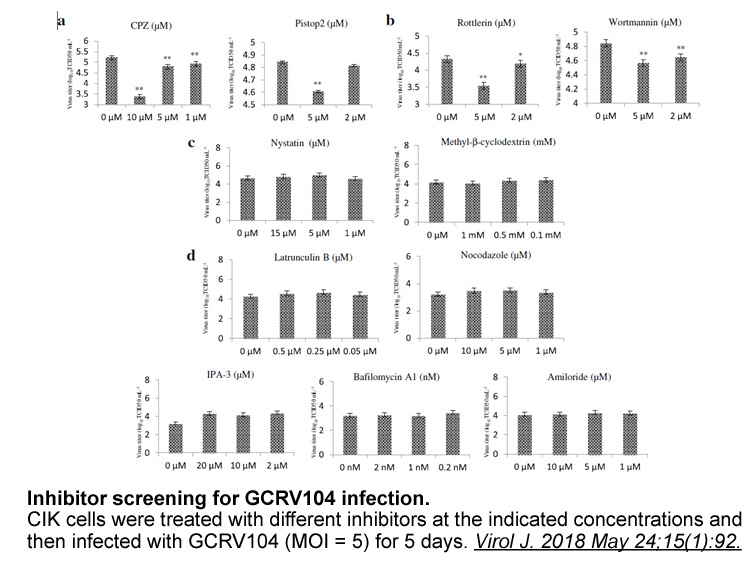
At present, the role of autophagy in neurons remains controversial. Autophagy has homeostatic and waste-recycling functions and plays a protective role in neurodegeneration diseases. Moreover, it has been thought as a programmed cell death participating in the occurrence and development of various d
-
In this paper we described synthesis biological evaluation a
2024-01-03
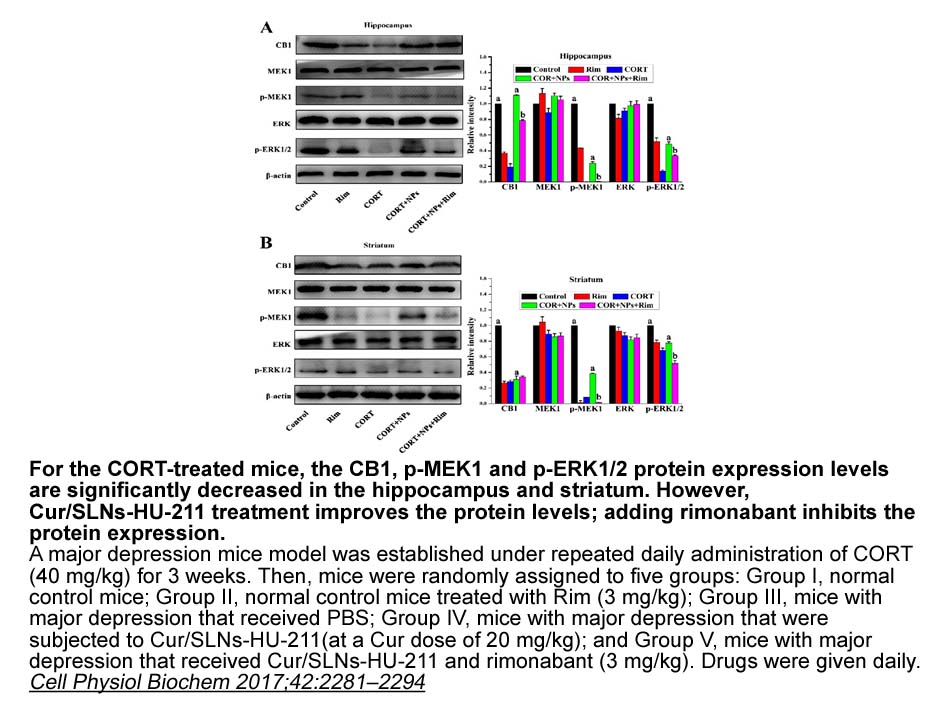
In this paper, we described synthesis, biological evaluation and docking study of 3-aroyl-1-(4-sulfamoylphenyl)thiourea derivatives 4a–o as 15-lipoxygenase inhibitors. Results and discussion Conclusion We designed and synthesized a novel of thiourea derivatives containing phenylsulfonamide mo
-
br Author contributions br Acknowledgments TJC KW
2024-01-03
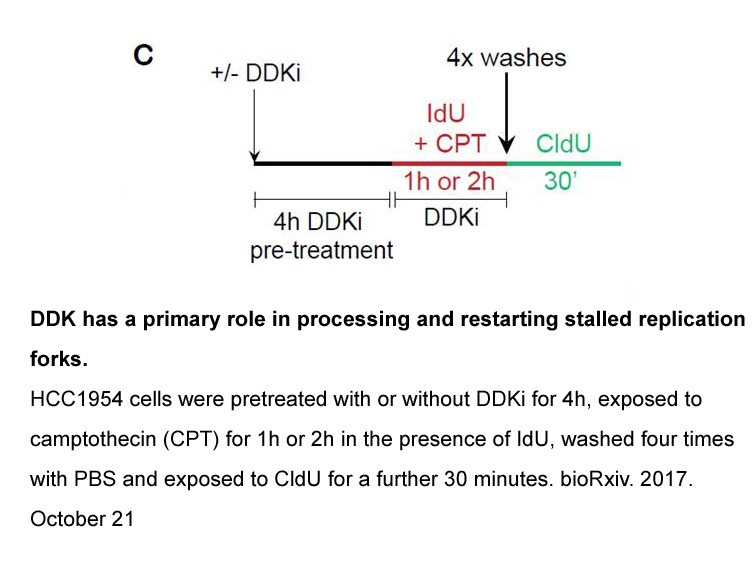
Author contributions Acknowledgments TJC, KW, and VG are supported by awards made to MJN: a Consolidator Grant from the European Research Council under Grant no. 311336; a University Research Fellowship from the Royal Society, and a Career Development Award from the Human Frontiers Science Pro
-
Somatostatin analogs also bind to somatostatin receptors It
2024-01-03
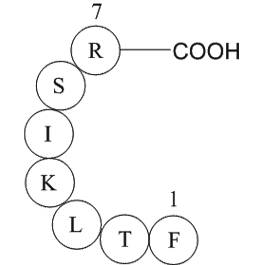
Somatostatin analogs also bind to somatostatin receptors. It has been reported that octreotide has a high affinity for hSSTR2, moderate affinity for hSSTR3 and hSSTR5, and does not bind to hSSTR1 or hSSTR4 (Ben-Shlomo and Melmed 2008). Compared to octreotide, pasireotide displays 40-, 30-, and 5-fol
-
br Conflicts of interest br Introduction
2024-01-03
Conflicts of interest Introduction Arginase catalyzes the reaction in which l-arginine is converted to l-ornithine and urea. In humans, two arginase isoenzymes have been identified, arginase 1 and arginase 2, that differ in cellular location and tissue distribution [1]. Both arginase enzymes a
-
Human hepatocyte transplantation resulted in some animals wi
2024-01-03
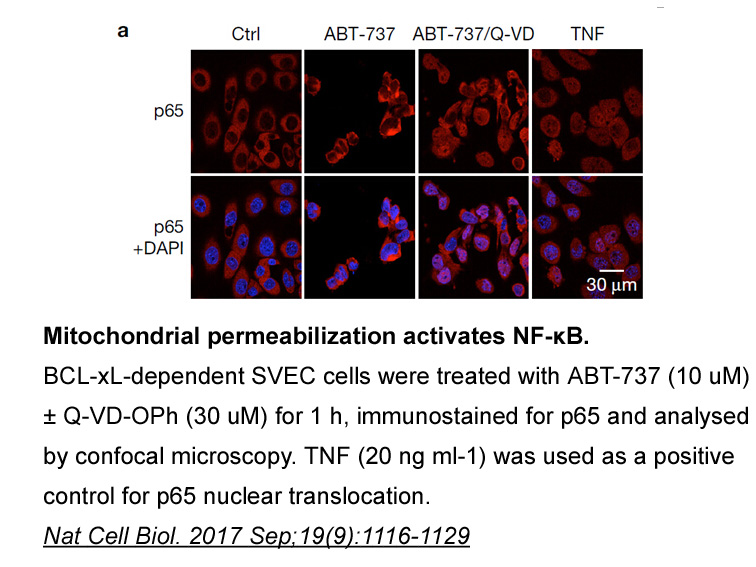
Human hepatocyte transplantation resulted in some animals with relatively sparse repopulation while others had >90% of their liver containing human hepatocytes. The presence of circulating human albumin varied based on the amount of repopulation as the degree of humanization is reported to correlate
-
Paprotrain br MADS box proteins in plants a flourishing fami
2024-01-03
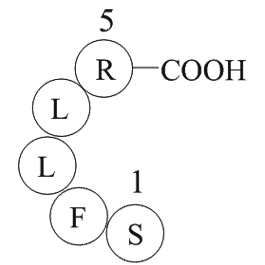
MADS box proteins in plants, a flourishing family In contrast to animals, homeotic genes in plants do not code for homeodomain-containing proteins, but rather, in almost all cases, for MADS domain proteins. The sequencing of the genome of Arabidopsis thaliana revealed more than 100 putative MADS
-
Accumulating evidence suggest that patients with advanced po
2024-01-03
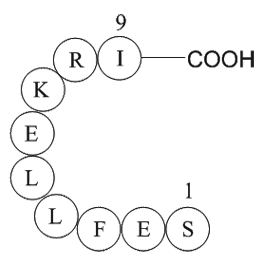
Accumulating evidence suggest that patients with advanced -positive NSCLC are at increased risk of VTE or coagulation disorders during the course of their disease, indicating that cancer genotype might play a role in the occurrence of cancer-related thromboembolism . Here we report the case of a pat
-
br Introduction Alcohol i e ethanol is absorbed into
2024-01-03
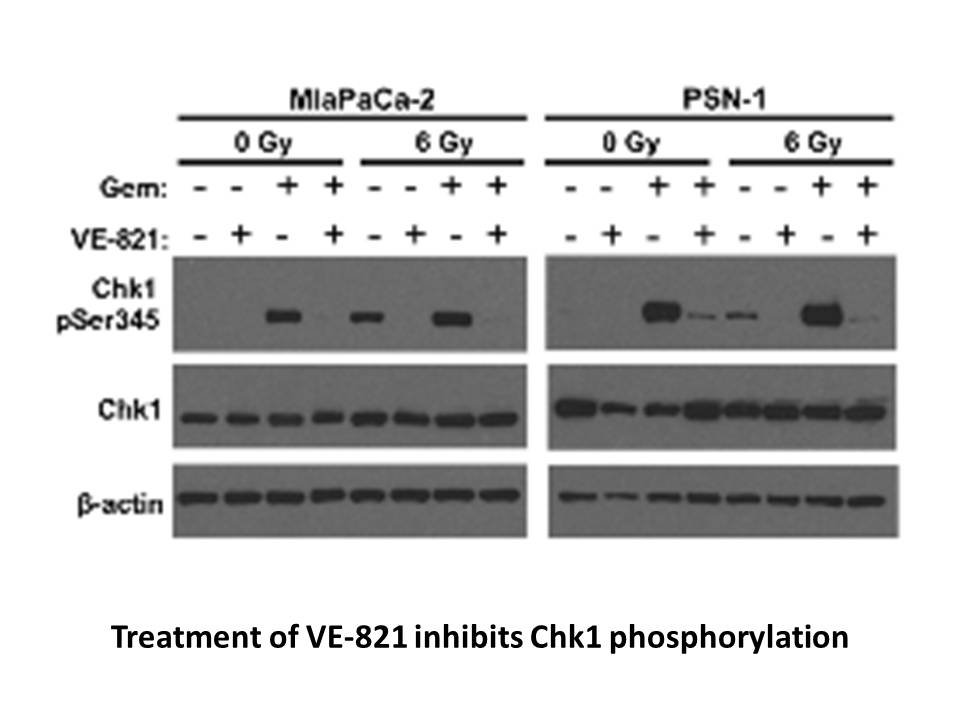
Introduction Alcohol, i.e., ethanol, is absorbed into the blood from the stomach to the small intestine, then distributed throughout the body. The metabolism of alcohol converting to acetic dpp-iv inhibitors basically involves two enzymes; alcohol dehydrogenase converting ethanol to acetaldehyde
-
Introduction Diabetic nephropathy is a rapidly growing cause
2024-01-03
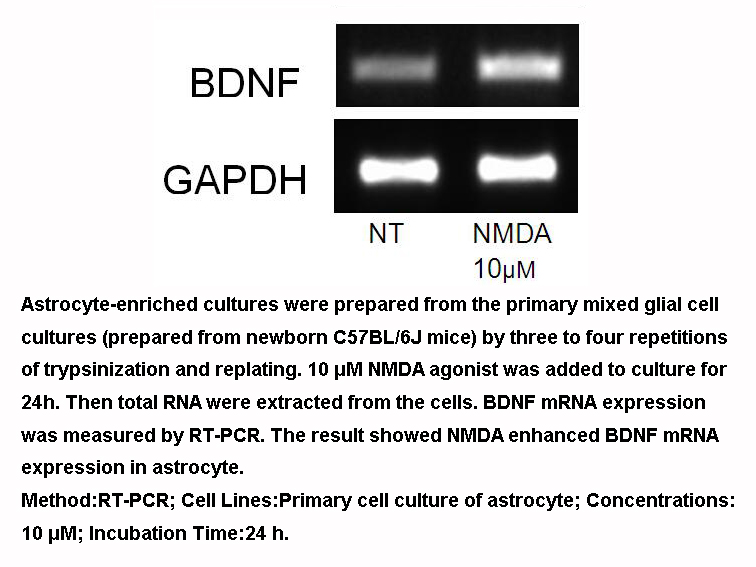
Introduction Diabetic nephropathy is a rapidly growing cause of end-stage renal disease [1]. Glomerular, tubular and vascular toxicity resulting from hyperglycemia (glucotoxicity) have been evaluated extensively at the molecular level as contributing factors for diabetic nephropathy [[1], [2], [3]]
-
Given these findings above we
2024-01-03
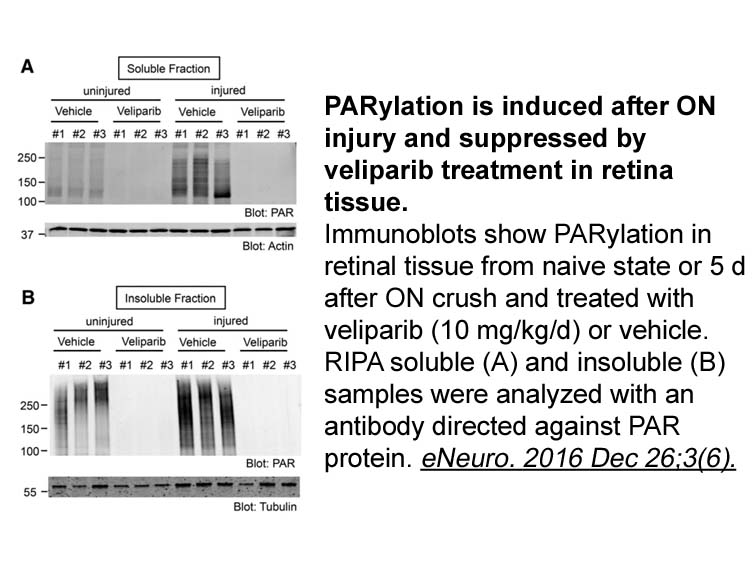
Given these findings above, we hypothesized that hypernociception produced by intra-amygdala 8-OH-DPAT is result of hyperpolarization in this area. This neuronal inhibition of the amygdaloid complex might result in an inactivation of crucial neurotransmitter systems of the descending inhibitory pain
-
Although the effects of adenosine receptor signaling
2024-01-03
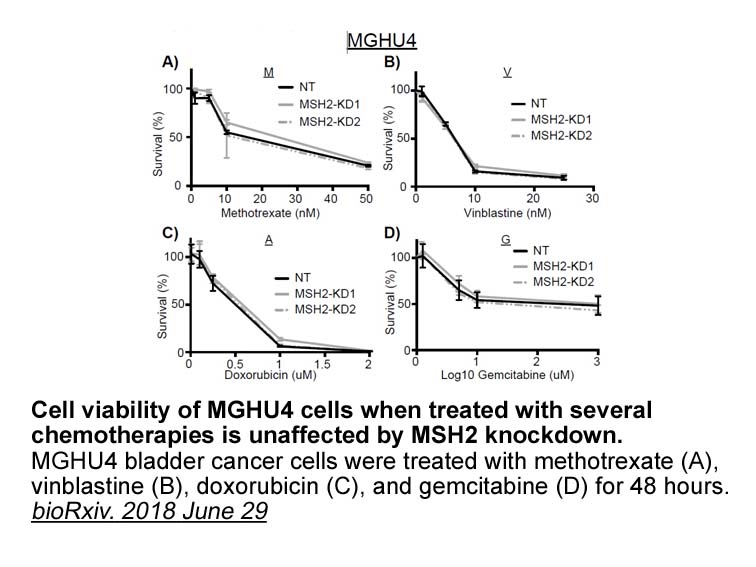
Although the effects of adenosine receptor signaling in acute renal IRI have been attributed to the generation of high concentrations of adenosine, we have recently reported an increase in kidney levels of both AMP and adenosine, with a concomitant fall in ATP and ADP. We have also previously demons
-
AMPK modulates changes in lipid metabolism via the
2024-01-03
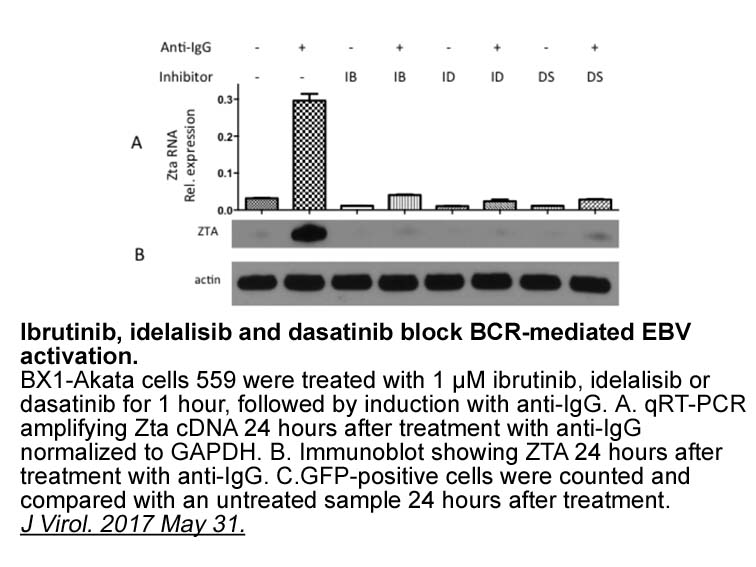
AMPK modulates changes in lipid metabolism via the regulation of fatty Cinacalcet oxidation and cholesterol synthesis in the liver. The key enzymes involved include ACC and HMGCR [27,28]. Both participate in the rate-limiting steps of fatty acids and cholesterol synthesis and are inactivated on phos
-
Brain biopsy was performed from
2024-01-03
Brain biopsy was performed from the white matter lesion around the posterior horn of the right lateral ventricle, and revealed inflammatory demyelination, such as myelin loss with relative preservation of axons, astrocytosis immnolabeled by indole 3 butyric acid australia against glial fibrillary a
15156 records 244/1011 page Previous Next First page 上5页 241242243244245 下5页 Last page